- Introduction
The lion (Panthera leo) belongs to the big cat family and is one of Africa's most iconic and impressive animals.
With its majestic mane, it is seen as a symbol of strength and courage.
- Habitat
Lions mainly live in the savannas and grasslands of sub-Saharan Africa. A small population also exists in the Gir Forest of India.
They prefer open landscapes where they can hunt effectively.
- Social Behavior
Unlike most other big cats, lions live in groups called prides. These usually consist of several females, their offspring, and a few males.
There are clear social structures within the pride.
- Diet and Hunting
Lions are carnivores and primarily hunt large hoofed animals such as zebras, wildebeest, and antelopes.
Females usually do the hunting, while males protect the territory.
- Reproduction and Rearing
The gestation period for lions is about 110 days. After birth, the mother takes care of the cubs intensively.
In a pride, other females often help with raising the young.
- Threats and Conservation
Lions are considered vulnerable. Threats include habitat loss, conflicts with humans, and illegal hunting.
Many conservation programs and national parks are working to protect lion populations.
- Conclusion
helloLions are fascinating animals with complex social behavior. Their protection is vital for the ecological balance of the savanna and the preservation of biodiversity.
- Media
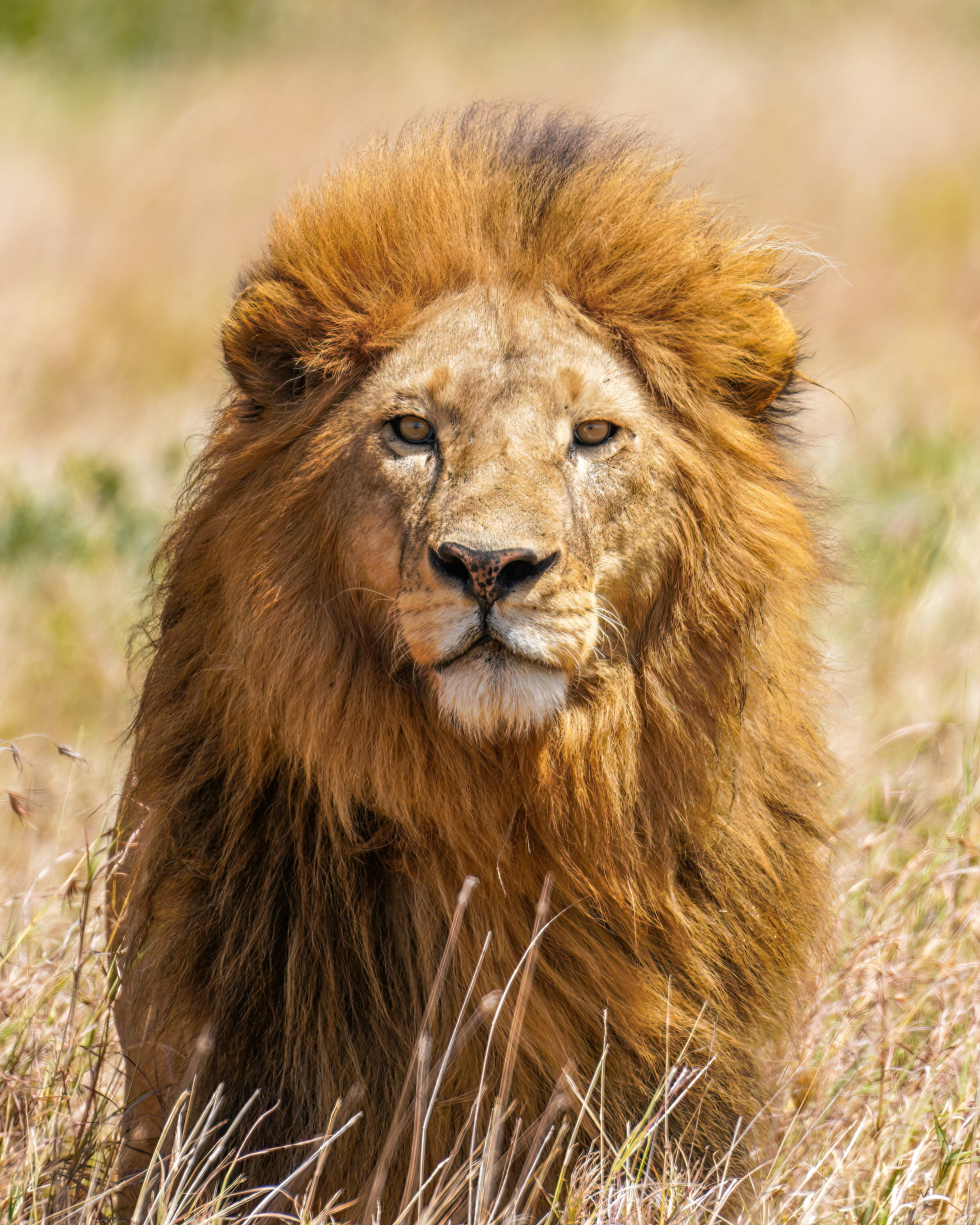
The lion (Panthera leo) belongs to the big cat family and is one of Africa's most iconic and impressive animals. With its majestic mane, it is seen as a symbol of strength and courage.
Lions mainly live in the savannas and grasslands of sub-Saharan Africa. A small population also exists in the Gir Forest of India. They prefer open landscapes where they can hunt effectively.
Unlike most other big cats, lions live in groups called prides. These usually consist of several females, their offspring, and a few males. There are clear social structures within the pride.
Lions are carnivores and primarily hunt large hoofed animals such as zebras, wildebeest, and antelopes. Females usually do the hunting, while males protect the territory.
The gestation period for lions is about 110 days. After birth, the mother takes care of the cubs intensively. In a pride, other females often help with raising the young.
Lions are considered vulnerable. Threats include habitat loss, conflicts with humans, and illegal hunting. Many conservation programs and national parks are working to protect lion populations.
helloLions are fascinating animals with complex social behavior. Their protection is vital for the ecological balance of the savanna and the preservation of biodiversity.